


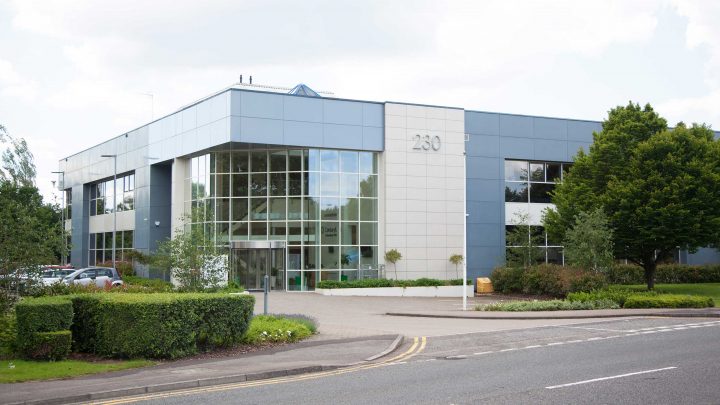
Mixed use buildings versus office buildings
Why does office space matter?

Once a basic business requirement, the office has become something more: a sophisticated business strategy that touches every aspect of organisational success.
The question isn’t whether office space matters; the real poser is how to leverage it effectively in an increasingly competitive market.
Office space beyond the basics
Office space is a strategic business asset that directly influences how work gets accomplished across your organisation.
In the modern era, thoughtfully designed office environments:
- Shape the employee experience
- Nurture meaningful connections
- Support diverse working styles
Rather than viewing office premises as overhead costs, savvy business leaders recognise them as operational infrastructure that can deliver measurable returns on investment.
Modern office space can also act as a powerful recruitment and retention tool, helping organisations attract top talent in competitive markets. When potential employees visit your premises, they’re evaluating not just the role, but the environment they’ll inhabit daily.
A well-designed office communicates:
- Professionalism
- Stability
- Forward-thinking leadership
The qualities that resonate with high-calibre candidates who have multiple options.
The physical environment impacts focus and performance
Carefully planned office design delivers measurable effects on both productivity and employee well-being.
Elements such as:
- Abundant natural light
- Ergonomic furniture
- Purposefully designated work zones
Come together to create an environment that enhances concentration while reducing distractions.
These design choices support the varied ways people prefer to work, acknowledging that peak performance manifests differently across individuals and roles.
Environmental psychology research reveals that physical surroundings influence cognitive performance, stress levels, and job satisfaction.
An abundance of natural light, acoustic treatment, and air quality management aren’t luxury considerations; they’re fundamental factors that determine whether employees can sustain high-level performance throughout their working day.
Poor environmental conditions create cognitive load that diverts mental resources from productive tasks.
Biophilic design elements, incorporating natural materials and living plants, have also been shown to reduce stress hormones and improve creative thinking. These seemingly minor details contribute to an atmosphere that supports both individual excellence and collaborative innovation.
In-person interaction enhances communication
Face-to-face communication in office settings enables richer, more nuanced exchanges than digital platforms can provide.
The ability to read body language and engage in spontaneous conversations significantly reduces the likelihood of misunderstandings while making it easier to identify when colleagues require assistance or support.
These unplanned interactions often generate some of the most valuable business insights.
The informal learning that occurs during these interactions rectifies misunderstandings in a way that formal meetings struggle to replicate. Senior team members naturally mentor junior colleagues through casual interactions, building institutional knowledge and cultural continuity.
Complex problem-solving frequently benefits from the dynamic energy of co-located teams.
When facing challenging projects, the ability to quickly convene and come up with solutions in real-time accelerates progress in ways that virtual collaboration tools cannot fully replicate.
A high-quality workspace supports employee retention
Investing in comfortable, well-appointed office facilities directly enhances the daily working experience for staff members.
When employees feel valued through their physical environment, it supports job satisfaction and encourages long-term commitment to the organisation. This investment can potentially yield dividends through preserved institutional knowledge and maintained team cohesion.
The psychological impact of workspace quality extends beyond immediate comfort.
Employees interpret their physical environment as a reflection of how the organisation values their contribution. Shabby, poorly maintained facilities communicate neglect, whilst thoughtfully designed spaces demonstrate genuine care for employee well-being and professional success.
Quality workspace amenities, from reliable technology infrastructure to comfortable break areas, remove daily frustrations that accumulate into job dissatisfaction.
When basic environmental needs are seamlessly met, employees can focus their energy on meaningful work rather than managing workplace inconveniences.
Offices anchor the business within its community
A strategically located office in the right area enhances business visibility and accessibility while building valuable local networks.
Proximity to clients, business partners, and industry clusters provides tangible strategic advantages, positioning the company as an integral part of the broader business ecosystem. This geographical positioning facilitates the relationships and partnerships that fuel sustainable growth.
Your local presence demonstrates your commitment to the community and creates opportunities for civic engagement that enhance corporate reputation.
Businesses that actively participate in their local environment build trust and goodwill that translates into commercial advantages, such as enhanced talent attraction from the local area.
Commercial office space in the perfect working environment
More than a workspace; find your space in Winnersh Triangle, a 1.5 million sq ft mixed-use professional campus located in Reading, with a wide range of offerings, including major headquarters buildings, grade-A offices and start-up office suites.
Get in touch with us today to discover how your technology company could benefit from joining our thriving business community.
You may also like

Or get in touch

Jeremy Rodale

Rhodri Shaw

Rupert Batho