


How your office location can influence workplace culture
Mixed use buildings versus office buildings
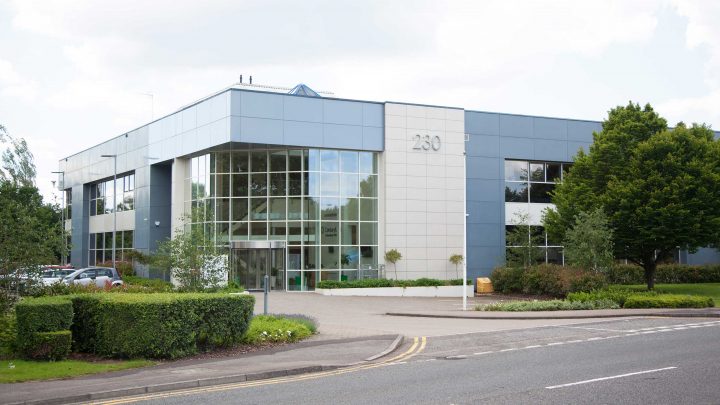
Businesses face a critical decision when selecting commercial property. The traditional choice between offices and industrial estates is now more sophisticated: purpose-built office buildings versus mixed use buildings that blend administrative and operational functions.
With companies reassessing their property requirements in response to changing work patterns and operational demands, you need to understand which property type best supports your specific business model. Here’s what you need to know.
What defines a mixed use building?
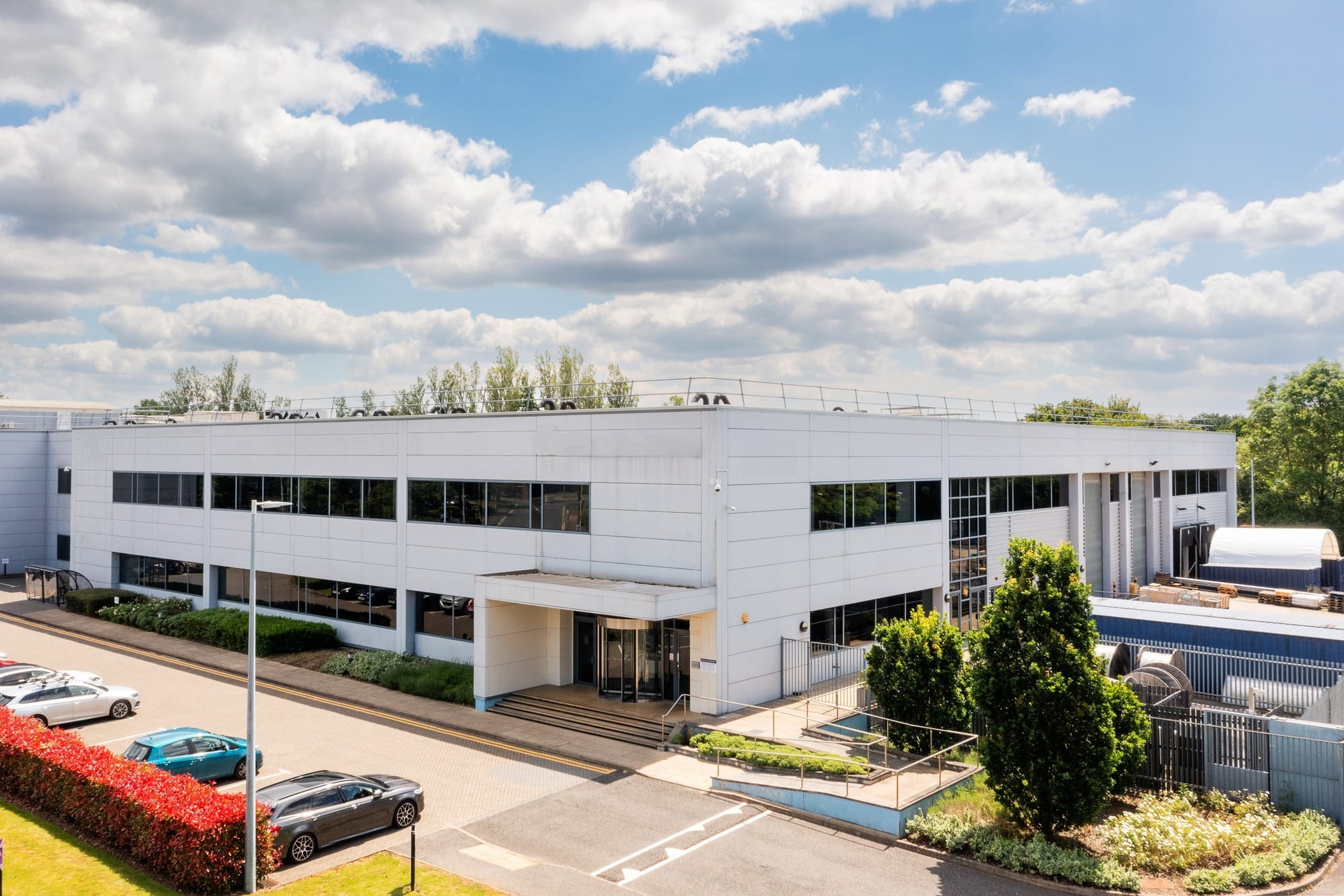
Mixed use buildings are a departure from conventional single-use commercial property. These multi-functional developments integrate office space with complementary operational facilities, such as light industrial units, research laboratories, showrooms, or warehousing, within a single cohesive structure.
Unlike traditional offices designed exclusively for desk-based work, mixed use buildings feature enhanced specifications that support a wider range of business activities. Key characteristics include:
- Reinforced floor loading capacities.
- Superior ceiling heights to accommodate equipment or storage.
- Dedicated goods-in areas with appropriate loading facilities.
- Infrastructure supporting administrative functions and practical operations.
The design philosophy prioritises flexibility, allowing businesses to bring operational and administrative functions together under one roof, rather than adjusting their workflows to suit static building layouts.
How businesses are blending office and operational space
More and more companies are recognising the efficiency that can be gained from co-locating administrative and operational functions. At Winnersh Triangle, this approach is already delivering real benefits for a set of very different organisations.
M2M Pharma exemplifies this trend, utilising mixed use space to integrate pharmaceutical research with administrative operations, enabling seamless collaboration between laboratory scientists and business development teams.
Similarly, Tepeo has strategically combined product development offices with testing facilities, allowing engineering teams to work alongside prototypes and production equipment, dramatically reducing the time between design iterations and practical implementation.
This integrated approach eliminates the inefficiencies inherent in maintaining separate premises and demonstrates how a business and technology centre can support niche R&D activity alongside headquarter functions. Ultimately, enabling occupiers to collaborate, scale, and operate efficiently within a single campus.
What to consider when choosing between office and mixed use buildings
Selecting the appropriate property type requires careful assessment of your operational requirements.
Consider whether your business activities require specialist infrastructure; higher ceiling heights for equipment, enhanced loading facilities for goods handling, or floor specifications suitable for machinery.
Location preferences merit equal attention. Whilst city-centre offices offer prestige and connectivity, mixed use buildings in established business & technology centres frequently provide operational suitability, ample parking, and room for growth. Evaluate your workforce’s location, transport requirements, and whether clients need regular site access.
Finally, consider future capability. Mixed use buildings typically accommodate long-term business growth more readily than conventional offices, supporting expansion into new operational activities without necessitating relocation.
Regional growth and the rise of business and technology centres
Commercial property development is increasingly gravitating towards regional locations that combine excellent connectivity with space efficiency. Areas like Winnersh Triangle are emerging as vibrant science and tech centres, driven by strategic infrastructure investment, improved transport links, and supportive local authority policies.
These commercial clusters offer businesses the advantages of:
- Established ecosystems
- Access to skilled workforces
- Supplier networks
- Collaborative opportunities
Without the premium investment associated with traditional city centres. Government backing for regional development and changing attitudes towards flexible working patterns continue to accelerate this shift, positioning well-connected regional business & technology centres as attractive alternatives for businesses seeking modern, adaptable commercial property solutions.
Make your next business move to the Winnersh Triangle area
With its strategic location, diverse commercial property options, economic advantages, and supportive business environment, Winnersh Triangle offers an exceptional proposition for companies seeking a prime location for their operations.
Winnersh Triangle is a 1.5 million sq ft mixed-use business & technology centre located in Reading, with a wide range of commercial property to rent, including major headquarters buildings, grade-A offices and start-up office suites. To learn more, get in touch with us today.
You may also like

Or get in touch

Jeremy Rodale

Rhodri Shaw

Rupert Batho